

Skills that travel
Explore hospitality, guiding, craft and construction learning linked to locally relevant roles.
Future evidence: enrolment, completion and skills gained
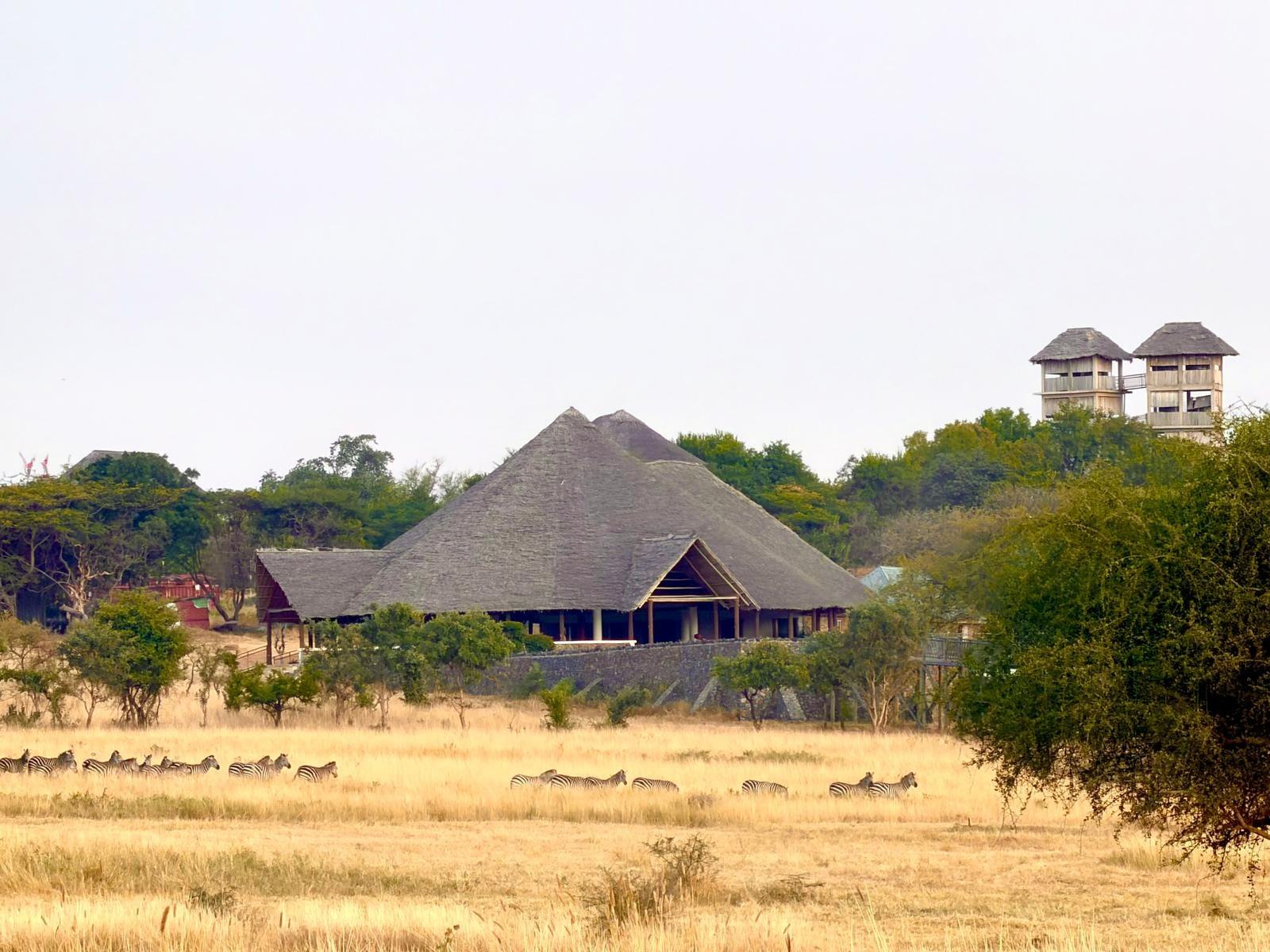
The 55Africa vision includes practical learning, local opportunity, and responsible destination development. Programmes and employment outcomes remain to be developed with local partners.
The intention is to explore how hospitality development could create opportunities beyond the guest experience. Training, local sourcing, and community initiatives are proposals, not established programmes.
“The people who may welcome guests, share local knowledge, and help shape a destination should be central to how it is developed.”
No training centre, school, or community programme is represented as operating today. The project’s ambition is to explore practical hospitality learning and local career pathways with relevant partners once scope, permissions, and delivery arrangements are confirmed.
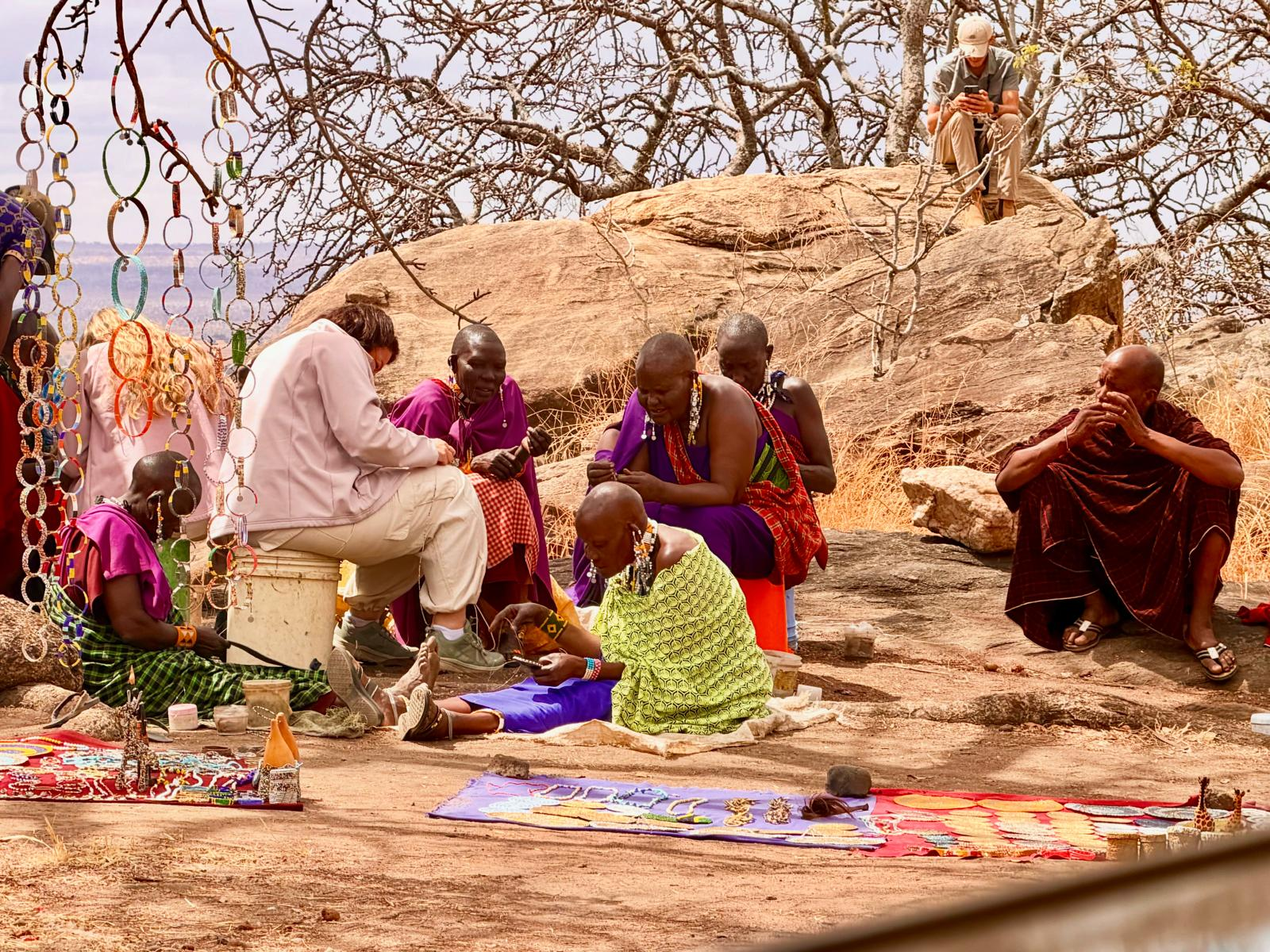
A pathway to meaningful impact
The image speaks to the importance of local knowledge, craft and exchange. It is a reference, not evidence of a 55Africa programme. The proposed approach is to connect practical vocational learning with real work and local enterprise—and report results only when they can be verified.
Explore hospitality, guiding, craft and construction learning linked to locally relevant roles.
Future evidence: enrolment, completion and skills gained
Assess fair opportunities for local makers, suppliers and small businesses in the destination economy.
Future evidence: local purchasing and supplier participation
Build with partners toward practical work experience, employment and continued development.
Future evidence: placements, progression and retention
These are proposed impact areas, not active programmes, achieved outcomes, or numeric targets. The framework will need to be developed with local partners and community input.
These are ideas for discussion and planning, not active programmes or guaranteed outcomes. Their scope depends on local consultation, partners, approvals and project delivery.
Practical learning linked to hospitality roles is an ambition to explore with qualified local and education partners.
Local skills and supplier opportunities may be explored as the project scope, procurement needs, and delivery partners are established.
Guiding, interpretation, and nature-learning pathways could be developed with local partners, subject to permissions and the final operating plan.
The project intends to assess responsible local sourcing and suitable growing options; no farm or supply target is claimed.
Future learning and career opportunities should be shaped around local priorities, community input, and capable delivery partners.
Any wider education, health, or wellbeing initiative would require local consultation, appropriate partners, and a sustainable operating plan.
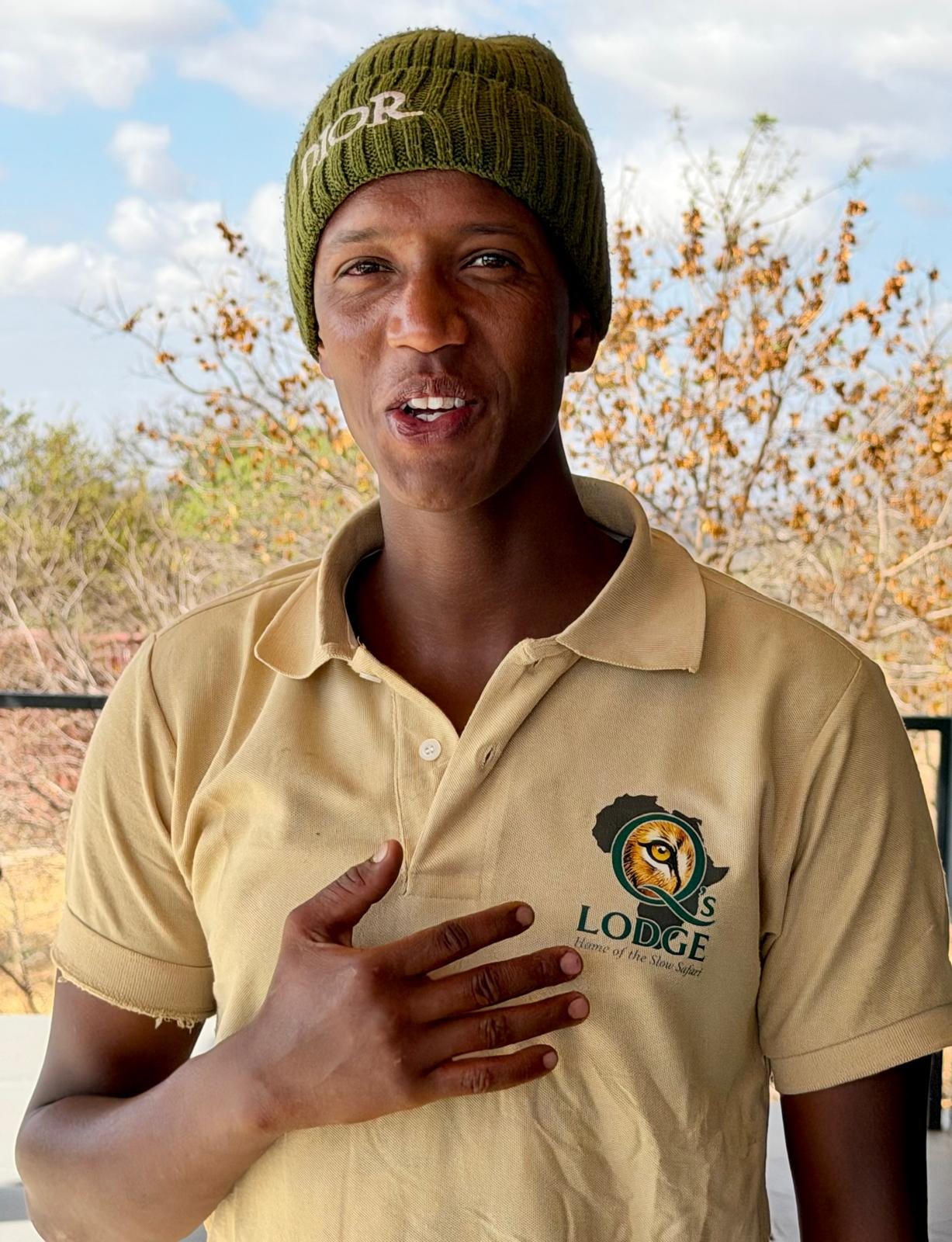
Designed with intent
The presentation includes a uniform concept. Any final design, sourcing, or production would need to be developed with local participants and confirmed suppliers. No workshop or uniform-training programme is presented as operating today.
The ambition is to link practical learning to meaningful local opportunity.
Employment standards, working conditions, and staff welfare should be defined in the operating plan.
Local procurement opportunities should be assessed against quality, availability, and project needs.
Community engagement and local priorities must inform decisions as the project develops.
Useful social and environmental measures can be set once the project scope and operating model are confirmed.
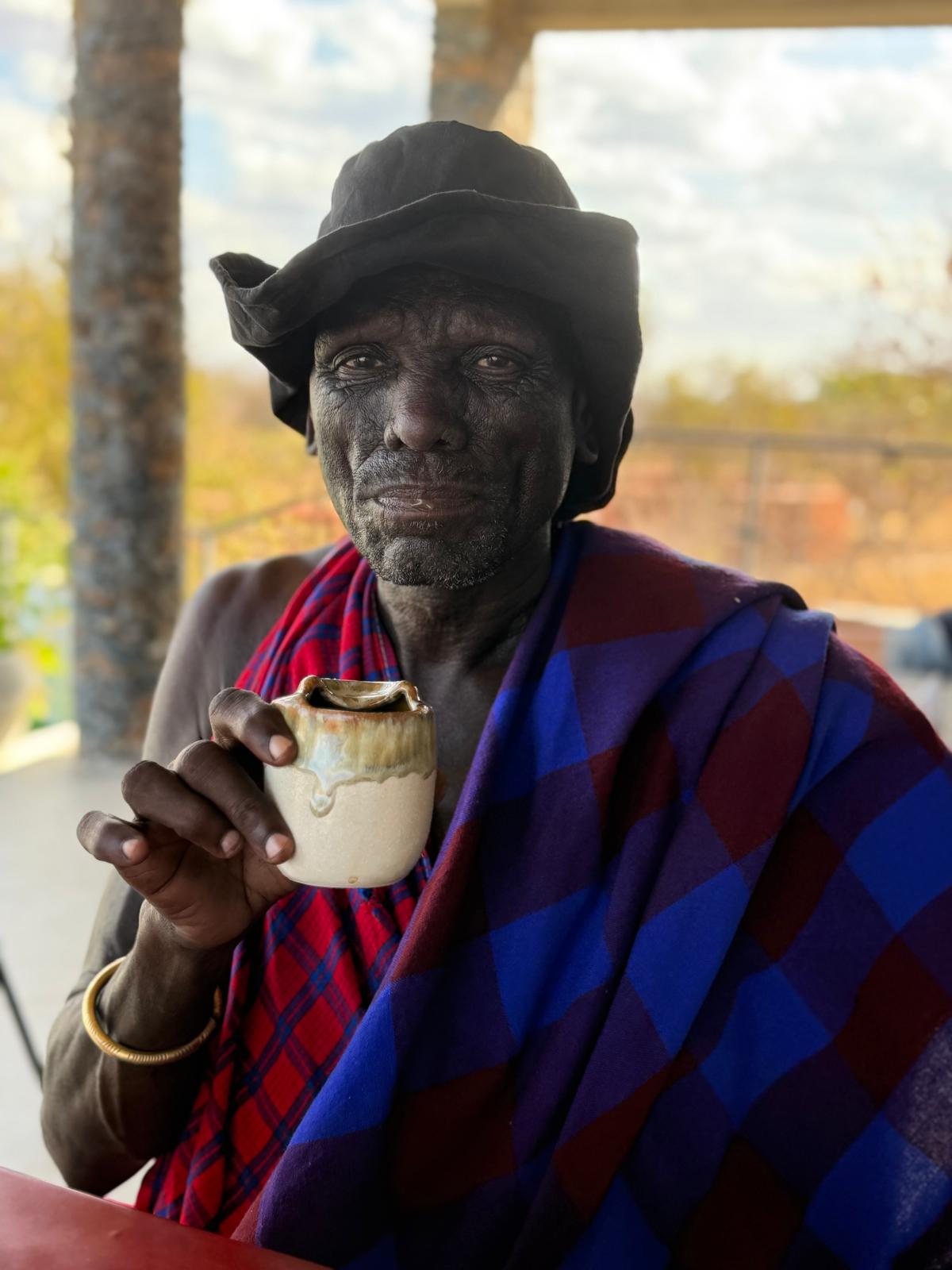
Practical learning and community priorities belong in the destination plan from the beginning.