

Randilen · Tanzania · Field guide
Life, in all
its wild detail.
A field guide to the mammals on Randilen’s supplied species list—from the unmistakable silhouettes of the plains to the nocturnal lives most guests never see.
Explore the species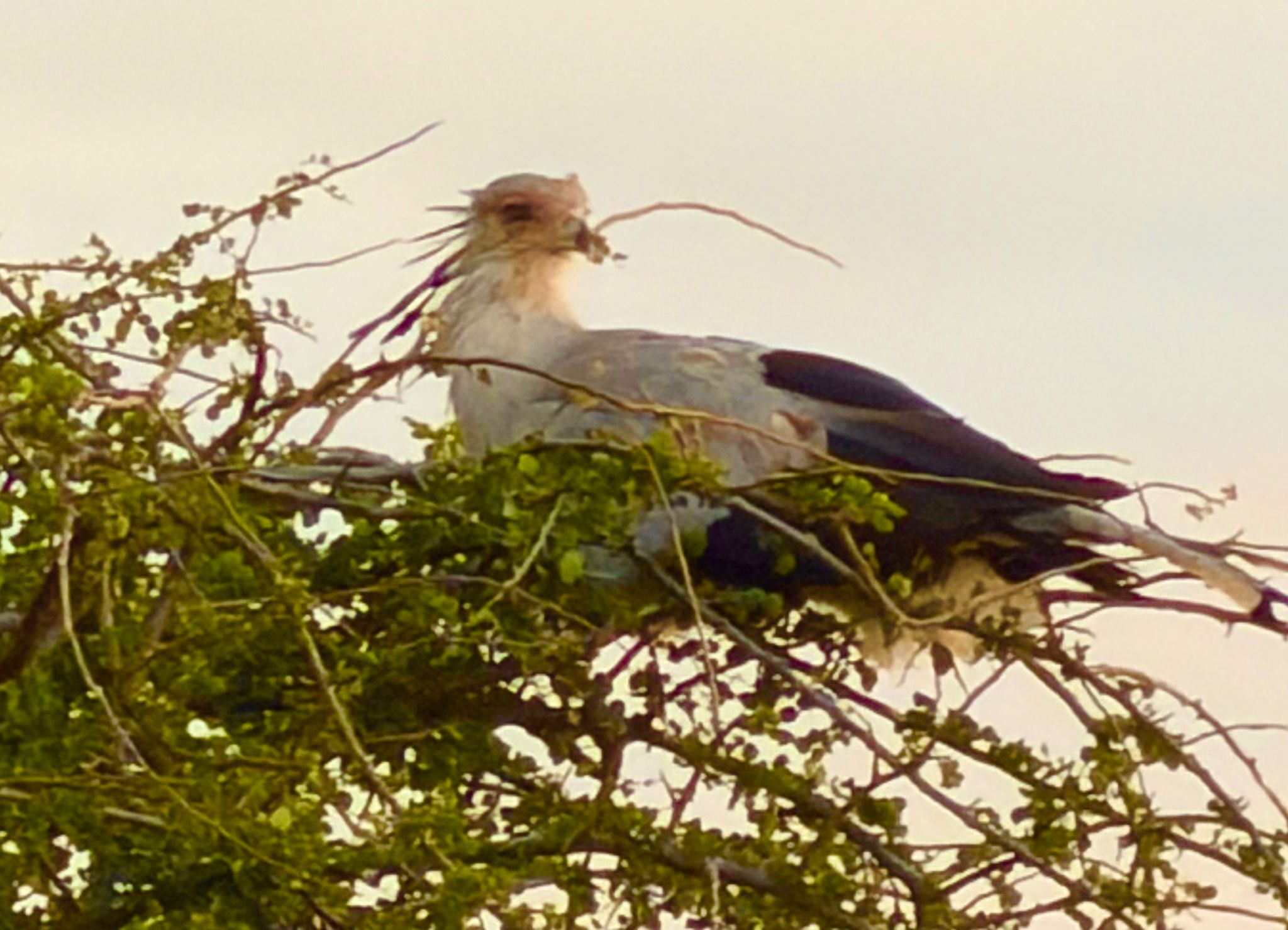 Also in the field guide · 160 property recordsMeet the birds of Randilen.Browse species marked as seen on Q’s Lodge property in the supplied bird checklist.
The checklist
Meet the neighbours.
Browse by group or search by common and scientific name. Each species opens its own illustrated field-guide page.
Ungulates · Hoofed mammals
15 species
 Photo: Charles J. Sharp · CC BY-SA 4.0
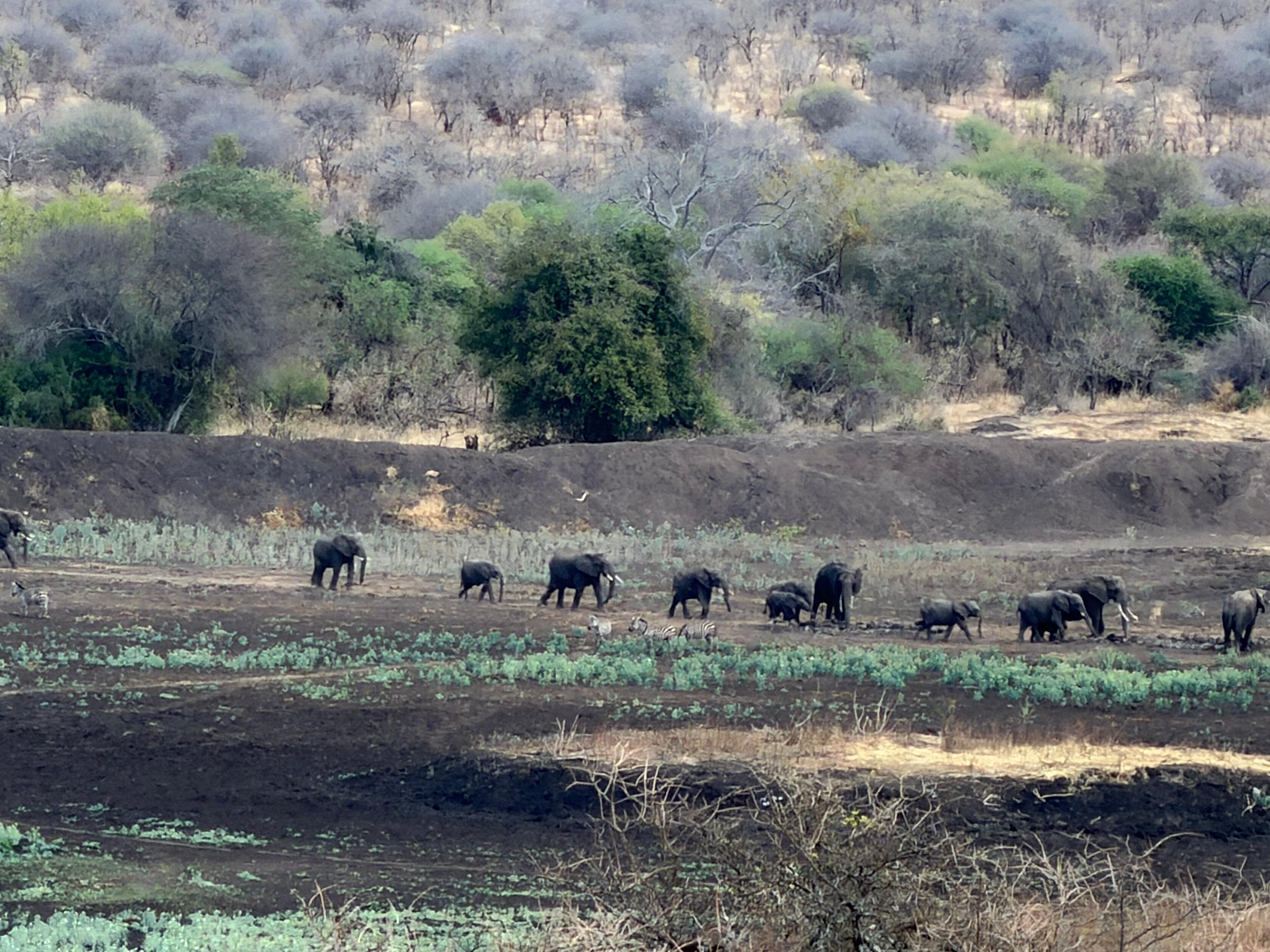
African Elephant
Loxodonta africana
A powerful ecosystem engineer, the African elephant shapes its surroundings as it moves through savanna and woodland.
Open field note Photo: Hans Hillewaert · CC BY-SA 4.0
Giraffe
Giraffa camelopardalis / G. tippelskirchii
The tallest land mammal browses high among trees, its patterned coat making each individual distinct.
Open field note Photo: Muhammad Mahdi Karim · GFDL 1.2
Plains Zebra
Equus quagga
A familiar striped grazer of open country, plains zebras often travel in social groups.
Open field note Photo: Hans Hillewaert · CC BY-SA 4.0
Common Eland
Tragelaphus oryx
The largest antelope, the common eland is known for its size, pale body stripes and spiral horns.
Open field note Photo: Hans Hillewaert · CC BY-SA 4.0
Greater Kudu
Tragelaphus strepsiceros
A striking woodland antelope, the greater kudu is recognised by the male’s long, spiralling horns.
Open field note Photo: Matt Muir · CC BY 4.0
Lesser Kudu
Tragelaphus imberbis
A shy, finely striped antelope of thicket and dry woodland; males carry graceful spiral horns.
Open field note Photo: Charles J. Sharp · CC BY-SA 4.0
Blue Wildebeest
Connochaetes taurinus
A robust plains grazer, the blue wildebeest is noted for its shoulder hump, beard and seasonal movements.
Open field note Photo: Diogo Luiz · CC BY-SA 4.0
Coke’s Hartebeest / Kongoni
Alcelaphus buselaphus cokii
A long-faced, high-shouldered antelope adapted to life in open grassland and savanna.
Open field note Photo: Hydrocycler (Elizabeth Dougherty) · CC BY 4.0
Fringe-eared Oryx
Oryx beisa callotis
A desert-adapted antelope with long straight horns and distinctive black-and-white facial markings.
Open field note Photo: Hans Hillewaert · CC BY-SA 4.0
Impala
Aepyceros melampus
A swift, social antelope whose springing leaps are among the most recognisable movements on the plains.
Open field note Photo: Liliana Ramírez-Freire · CC BY 4.0
Grant’s Gazelle
Nanger granti
A graceful gazelle of open country, often distinguished by its pale rump and long, lyre-shaped horns.
Open field note Photo: Diego Delso · CC BY-SA 4.0
Thomson’s Gazelle
Eudorcas thomsonii · listed as Smith’s gazelle
A small, quick gazelle of open grassland, recognised by its bold flank stripe and lively pronking display.
Open field note Photo: Hans Hillewaert · CC BY-SA 4.0
Kirk’s Dik-dik
Madoqua kirkii
One of Africa’s smallest antelopes, this pair-bonded browser uses its slender muzzle to pick leaves from scrub.
Open field note Photo: Jean-Paul Boerekamps · CC0
Bohor / Mountain Reedbuck
Redunca spp.
A grassland antelope that tends to stay close to cover, lifting its head above reeds when alert.
Open field note Photo: Tristan Jobin · CC BY 4.0
Harvey’s Red Duiker
Cephalophus harveyi
A small forest-and-thicket antelope, the red duiker is adapted to moving quietly through dense cover.
Open field noteCarnivores
11 species
 Photo: Charles J. Sharp · CC BY-SA 4.0
Lion
Panthera leo
A social big cat whose deep calls carry across the landscape; prides rest through the heat and become active in cooler hours.
Open field note Photo: tropicaLiving · CC BY-SA 3.0
Leopard
Panthera pardus
A remarkably adaptable, solitary cat, the leopard is known for its rosette-patterned coat and secretive habits.
Open field note Photo: Charles Stirton, UK · CC BY-SA 4.0
Caracal
Caracal caracal
A sleek, mostly nocturnal cat with long black ear tufts and exceptional agility.
Open field note Photo: Ikiwaner · CC BY-SA 3.0
Spotted Hyena
Crocuta crocuta
A highly social and intelligent carnivore, the spotted hyena communicates with a rich range of calls.
Open field note Photo: Obada992 · CC BY-SA 4.0
Striped Hyena
Hyaena hyaena
A more elusive, largely nocturnal hyena with a shaggy coat and bold dark stripes.
Open field note Photo: Thomas Fuhrmann · CC BY-SA 4.0
Black-backed Jackal
Lupulella mesomelas
An alert, adaptable canid, identifiable by the dark saddle running along its back.
Open field note Photo: Hans Hillewaert · CC BY-SA 3.0
Bat-eared Fox
Otocyon megalotis
A small fox with oversized ears, adapted to locating insects beneath the surface of dry ground.
Open field note Photo: Struck, AK., Braun, M., Detering, K.A. et al. · CC BY 4.0
Common / Large-spotted Genet
Genetta spp.
A nimble, often nocturnal small carnivore with a long ringed tail and spotted coat.
Open field note Photo: Charles J. Sharp · CC BY-SA 4.0
Banded Mongoose
Mungos mungo
A sociable mongoose that forages in groups, searching leaf litter and soil for food.
Open field note Photo: Hans Hillewaert · CC BY-SA 3.0
Common Dwarf Mongoose
Helogale parvula
One of Africa’s smallest carnivores, dwarf mongooses live in close-knit groups and use lookout posts.
Open field note Photo: MCSchaeffer · CC BY-SA 3.0
White-tailed Mongoose
Ichneumia albicauda
A largely nocturnal mongoose recognised by its pale bushy tail and long, low-slung body.
Open field notePrimates
2 species
 Photo: Charles J. Sharp · CC BY-SA 4.0
Olive Baboon
Papio anubis
A resourceful, highly social primate that travels in groups and adapts to a wide range of habitats.
Open field note Photo: Charles J. Sharp · CC BY-SA 4.0
Vervet Monkey
Chlorocebus pygerythrus
An agile, social monkey with a distinctive dark face framed by pale fur.
Open field noteAfrotheria · Hyraxes
3 species
 Photo: Hans Hillewaert · CC BY-SA 3.0
Rock Hyrax
Procavia capensis
A compact mammal often seen warming itself on sunlit rocks, with strong feet made for climbing.
Open field note Photo: Matt Muir · CC BY 4.0
Bush / Yellow-spotted Rock Hyrax
Heterohyrax brucei
A small hyrax of rocky places, often living in colonies and using crevices for shelter.
Open field note Photo: Hans Hillewaert · CC BY-SA 3.0
Southern Tree Hyrax
Dendrohyrax arboreus
A nocturnal, tree-dwelling hyrax known for its haunting calls after dark.
Open field noteRodents
8 species
 Photo: B20180 · CC BY-SA 4.0
Cape Crested Porcupine
Hystrix africaeaustralis
A large nocturnal rodent whose striking quills offer protection from predators.
Open field note Photo: Stephanie Dolrenry · CC BY-SA 4.0
East African Springhare
Pedetes surdaster
A nocturnal rodent that moves across open ground with powerful, springing hind legs.
Open field note Photo: Gary M. Stolz · Public domain
Unstriped Ground Squirrel
Xerus rutilus
A quick, ground-dwelling squirrel of dry country, often seen darting between cover and open ground.
Open field note Photo: Nikolay Usik · CC BY-SA 3.0
Acacia Rat
Thallomys paedulcus
An agile climber associated with thorny acacias, where it can find both shelter and food.
Open field note Photo: Tino Strauss · CC BY-SA 2.5
Striped Grass Mouse
Lemniscomys barbarus / L. striatus
A small grassland rodent with fine stripes that help it disappear among stems and seed heads.
Open field note Photo: Bodlina · CC BY 3.0
Common Spiny Mouse
Acomys cahirinus
A small, quick rodent with stiff, spine-like hairs and a talent for sheltering among rocks.
Open field note Photo: Kelly, et al. · CC BY 3.0
Natal Multimammate Mouse
Mastomys natalensis
A widespread small rodent, named for the multiple pairs of nipples females have.
Open field note Photo: Unknown author · CC0
Fringe-tailed Gerbil
Gerbilliscus robustus
A nocturnal gerbil with long hind limbs and a tail tipped with a distinctive dark tuft.
Open field noteBats
8 species
 Photo: Fritz Geller-Grimm · CC BY-SA 2.5
Straw-coloured Fruit Bat
Eidolon helvum
A large fruit-eating bat that can gather in huge roosts and disperse seeds across the landscape.
Open field note Photo: Susan Ellis, Bugwood.org · CC BY 3.0 US
Wahlberg’s Epauletted Fruit Bat
Epomophorus wahlbergi
A nectar- and fruit-feeding bat named for the pale tufts of fur on the male’s shoulders.
Open field note Photo: Oleg Chernyshov · CC BY 4.0
Yellow-winged Bat
Lavia frons
A striking bat with warm yellow-orange wing membranes, often associated with well-wooded savanna.
Open field note Photo: Adrien Jailloux · CC BY 4.0
Heart-nosed Bat
Cardioderma cor
An insect-eating bat with a distinctive heart-shaped noseleaf and large ears.
Open field note Photo: Pavel Kirillov · CC BY-SA 2.0
Darling’s Horseshoe Bat
Rhinolophus darlingi
A small echolocating bat with a characteristic horseshoe-shaped noseleaf.
Open field note Photo: Naturalis Biodiversity Center · CC0
Noack’s Roundleaf / Leaf-nosed Bat
Hipposideros ruber complex
A leaf-nosed insectivorous bat; the listing notes a species complex rather than a single confirmed taxon.
Open field note Photo: Bernard DUPONT · CC BY-SA 2.0
Cape Serotine Bat
Neoromicia capensis
A small insect-eating bat that hunts flying insects at dusk and through the night.
Open field note Photo: Jan Ebr · CC BY 4.0
Egyptian Free-tailed Bat
Tadarida aegyptiaca
A fast-flying insectivore with long, narrow wings and a tail that projects beyond the tail membrane.
Open field noteThis guide organises the species in the list supplied for Randilen. Wildlife is free-ranging: presence and sightings vary by place and season and can never be guaranteed. Unsplash images are illustrative references, not verified records from Randilen.